
How to Set Up a Family Command Center for Better Organization
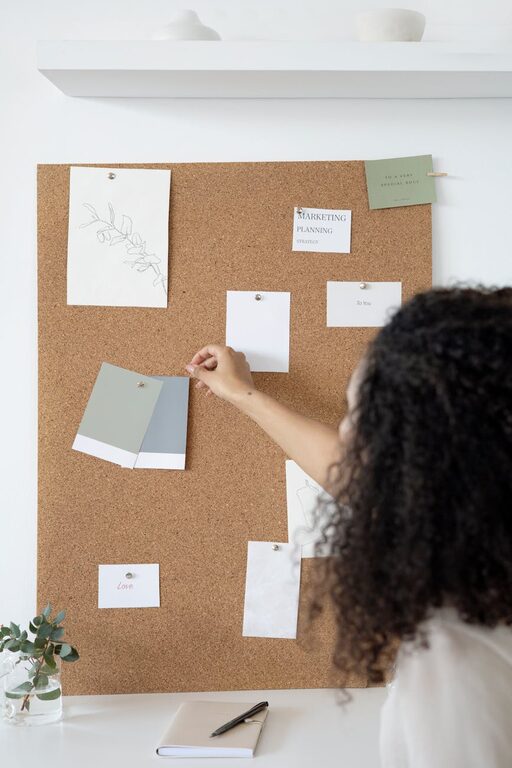
Creating a family command center is a smart way to keep your household organized and on track. It acts as a central hub where everyone can find schedules, to-do lists, important notes, and reminders all in one place. Whether you have young kids, teenagers, or a busy schedule, a command center can help reduce chaos and improve communication among family members.
In this post, we’ll guide you step-by-step on how to set up an effective family command center tailored to your home’s needs.
What Is a Family Command Center?
A family command center is a designated spot in your home that centralizes important information. It typically includes calendars, chore charts, meal planning, and spaces for notes or mail. Most families set up their command center in a high-traffic area like the kitchen, hallway, or near the back door — places everyone passes by regularly.
The goal is to create an easy-to-use, visually clear space to keep everyone informed and involved in daily family life.
Benefits of Having a Family Command Center
– Improves communication: Everyone knows what’s coming up and who’s responsible for what.
– Reduces forgotten appointments and homework: Important dates and tasks are visible to all family members.
– Keeps clutter organized: Mail, permission slips, and notes have a home instead of piling up on tables.
– Encourages family participation: Kids can actively take part in chores and meal planning.
– Saves time: No more last-minute scrambling to find schedules or to-do lists.
Step 1: Choose the Right Location
Start by picking a spot that your family uses often. Common locations include:
– Kitchen wall near the breakfast nook
– Entryway or mudroom
– Near the family command center’s “launch pad” area like where backpacks or keys are stored
Make sure there is enough wall space or surface area for your materials and that it’s easily accessible for all ages.
Step 2: Gather Your Supplies
Depending on what you want to include, you might need:
– A large wall calendar (dry erase or paper)
– Whiteboard or chalkboard for notes and lists
– Corkboard or magnetic board for pinning reminders and papers
– Baskets, trays, or bins for mail and paperwork
– Hooks or small shelves for keys, backpacks, and sunglasses
– Clipboards or folders for each family member
– Pens, markers, magnets, and tape
Choose supplies that fit your space and style, and that are easy to update regularly.
Step 3: Decide on the Core Elements
Here are common components to include:
Family Calendar
Centralize appointments, sports practices, school events, and deadlines. A color-coded system per family member can make it easier to read at a glance.
Meal Planning
Display a weekly meal plan for breakfast, lunch, and dinner. This helps with grocery shopping and reduces last-minute meal stress.
Chore Chart
Assign chores to family members and track completion. You can use stickers, magnets, or checkboxes for motivation.
Important Information Station
Include emergency contacts, school phone numbers, schedules, or reminders about bills due.
Mail and Paperwork Organizer
Have a designated spot to sort incoming mail, school forms, or permission slips.
Notes and Messages
A whiteboard or chalkboard lets family members leave quick reminders or encouragement.
Step 4: Customize for Your Family’s Needs
No two families are the same. Consider adding features like:
– Homework tracker for students
– Weekly goals or inspirational quotes
– Birthday and holiday countdowns
– Activity sign-up sheets
– Shopping list for groceries or household needs
Adjust your command center to reflect what works best for communication and organization in your household.
Step 5: Set Up and Arrange Your Space
Hang or mount your boards securely. Arrange baskets and hooks neatly and label folders or bins clearly. Make sure writing tools are easy to reach.
Try to keep the layout intuitive — for example, calendar and schedules at eye level, mail bins near the door, and chore charts visible to kids.
Step 6: Involve the Whole Family
Make setting up the command center a family activity so everyone understands its purpose and feels invested. Teach children how to use the space and encourage them to add or update tasks themselves.
Regularly review the command center together, perhaps during a weekly family meeting, to keep information current and discuss any clashes or upcoming plans.
Tips for Maintaining Your Family Command Center
– Dedicate a few minutes daily or weekly to update schedules and lists.
– Encourage everyone to check the command center at the same time every day.
– Refresh the space periodically — swap out old calendars, clear outdated papers.
– Keep it simple; too much clutter can overwhelm rather than help.
– Celebrate successes, like completing chores or meeting goals, using the command center.
Final Thoughts
A family command center can transform how you manage your busy household by improving communication and organization. With a little planning and creativity, you can build a dedicated area that makes family life easier, reduces stress, and keeps everyone on the same page.
Start small, stay consistent, and adapt your command center as your family’s needs change. Soon, this hub will become an essential part of your daily routine.
—
Setting up a family command center is a proactive way to create harmony and structure in any home. Ready to take control of your family’s schedule and responsibilities? Gather your supplies and start crafting your personalized command center today!